Haahaahaa! Haahaahaa! Haahaahaa! The drowning laughter of the class was interrupted by Mrs Aduroja. “Professor Benjamin, sorry to disturb you, I just popped in to tell you that there is a faculty meeting this afternoon at 2:00pm.” Professor Benjamin: “Thank you. Mrs Aduroja.” Mrs Aduroja leaves the hall and Professor Benjamin continues. “It is sheer stupidity that the materials designer came with such a lame excuse to design the seats that way. It reeks of the indifference culture that pervades the Rhubarb organisation. So like I said, there, there are different sources of organisational culture. It could be the leader and the way he/she does things. Take a leader who started his/her business by buying small trucks to convey materials in his business. This way of doing the task becomes pervasive and subsequent managers use small trucks to do the job, so much so that the way of conveying materials become ingrained in the system. The task culture would be said to come from the leader. “Can you take a look at other settings and determine the source and importance of culture in the setting? Zimba stands up and says, “Sir, could Baba Great’s song about the wheelbarrow be a portrayal of power abuse culture in the Gezie environment?” Professor Benjamin answers, “Yes, the wheelbarrow story is an important critical analysis of the misuse of power in a political environment. An issue that has featured perennially in Gezie.”
Then Odikuji stands up and says that “even though everybody agrees that power can be misused from top to bottom, what is not paid attention to is how power can be misused from the bottom upwards.” Odikuji continues, “I know of the story of an individual Adisa, whose taste of power was not beneficial to the vulnerable even when he was from a poor background.” As soon as he finished the statement, Biture jumped up and screamed “tell us the story. Odikuji. Tell us the story.” Immediately, all the other students jumped up and screamed “tell us the story, Odikuji, tell us the story.”
“Yes I will.” Odikuji started. ” Everybody. Sit and listen.
Adisa was a labourer that lived with his uncle, Bankole, besides my house. One day his uncle called him and told him he could, no longer
accommodate him. He asked Adisa to start looking for a place to live. Adisa asked “uncle, why, where? Where do you want me to go?
My job is not doing well. Where do you want me to go?””Adisa, please it is not my fault. I just don’t have the means anymore. Adisa,
please don’t be annoyed with me for giving up.””Uncle, I must tell you I’m sad, but I still thank you for all you have done.” Adisa sits down and ruminates over his next line of action. He goes to the waterworks to wash his clothes. He finishes around 9:30am
and went to Bala’s shop and meets Bala unpacking the shelf in front of the shop.” Good morning Bala,” he greeted.
Adisa sits down and ruminates over his next line of action. On Saturday morning goes to the waterworks to wash his clothes. He finishes around 9:30am
and went to Bala’s shop and meets Bala unpacking the shelf in front of the shop. “Good morning Bala,” he greeted. “Good morning Adisa,” Bala greeted back. “We see you quite early today. Hope no problem?” “How can I help you?” “Yes Bala, it is true. I’ve come early to seek your help. What I need is an Omolanke. I have no money to buy one so I have come to ask for scrap materials to build one. Please how can you help me Bala?” ” Oh well”, Bala replied. “If that is it that is simple. I’ve got scrap planks you could use. Nails, scrap wheels, you can have them all. If that is all, there is no problem. “Thank you Bala, a friend in need is a friend indeed. “You can come back next week and they all will be ready for you to pick. “Bala finished as Adisa got up to leave. Adisa went straight home to have an afternoon nap.
A week went by and Adisa went back to Bala to pick the Omolanke materials. Plank by plank, wheel by wheel. Adisa builds his Omolanke. Adisa becomes an Omolanke controller. Adisa would go to Agbarijo every morning to look for work. He will carry loads for any willing customer. One Tuesday morning Adisa was approached by a woman to carry her shopping. “Good morning Uncle, can you help carry our goods to Kigbaju?,” the woman asked. “Yes madam, no problem, Adisa replied. “Adisa subsequently balanced the goods on the Omolanke and off he went through the bends on the road to Kigbaju. In the middle of the road, Adisa stops suddenly and says “madam, I think I will need 10 more Caras for the load.”
Awa lan sere lowolowo! Awa lonilu asiko yii! Oya ejeka jo. O ya ejeka jo! “Aah Aunty Welcome.” “Thank you Debola.” “Ojo, you with your Baluba. You are playing it to the order of my footsteps, aren’t you?””No ma. Not at all Aunty.” “It is almost feels like that. I have been walking all afternoon. I am really tired.” “Debola, what is there for lunch?””Aunty I made pounded yam.”” Thank you dear, God knows I love pounded yam,” Perci replied. Perci goes into the house querying Debola on why the short gate was left ajar that the goats could come in.
GBAUN!GBAUN!GBAUN! the bell chimed at the stroke of six O’clock. Perci had been sleeping for forty-five minutes. “Aunty I didn’t know if I should have woken you up. I know you should be going to church this evening.” “Yes. Thank you Debola.” “I’ll start preparing now.””Perci gets up and changes into a Buba and Iro and starts for Church.”
The UK economy is suffering from demand deficient unemployment. This was created by the chancellor increasing tax. What we now observe in the UK economy is the Phillips curve. As unemployment is rising inflation is dropping. The rise in unemployment means demand is dropping. The bank of England has gone on to reduce interest rates which on the face of it is good because that is the natural solution to demand deficiency. You could even argue that we can suffer higher inflation for growth. However, increasing demand only generates higher inflation as unemployment could remain high as inflation is already about 3.2%. It is evident that the supply problem is still lingering or even pronounced with tax increases. With the fiscal drag too more people will leave jobs for more paying benefits and government borrowing could increase putting plans in jeopardy.
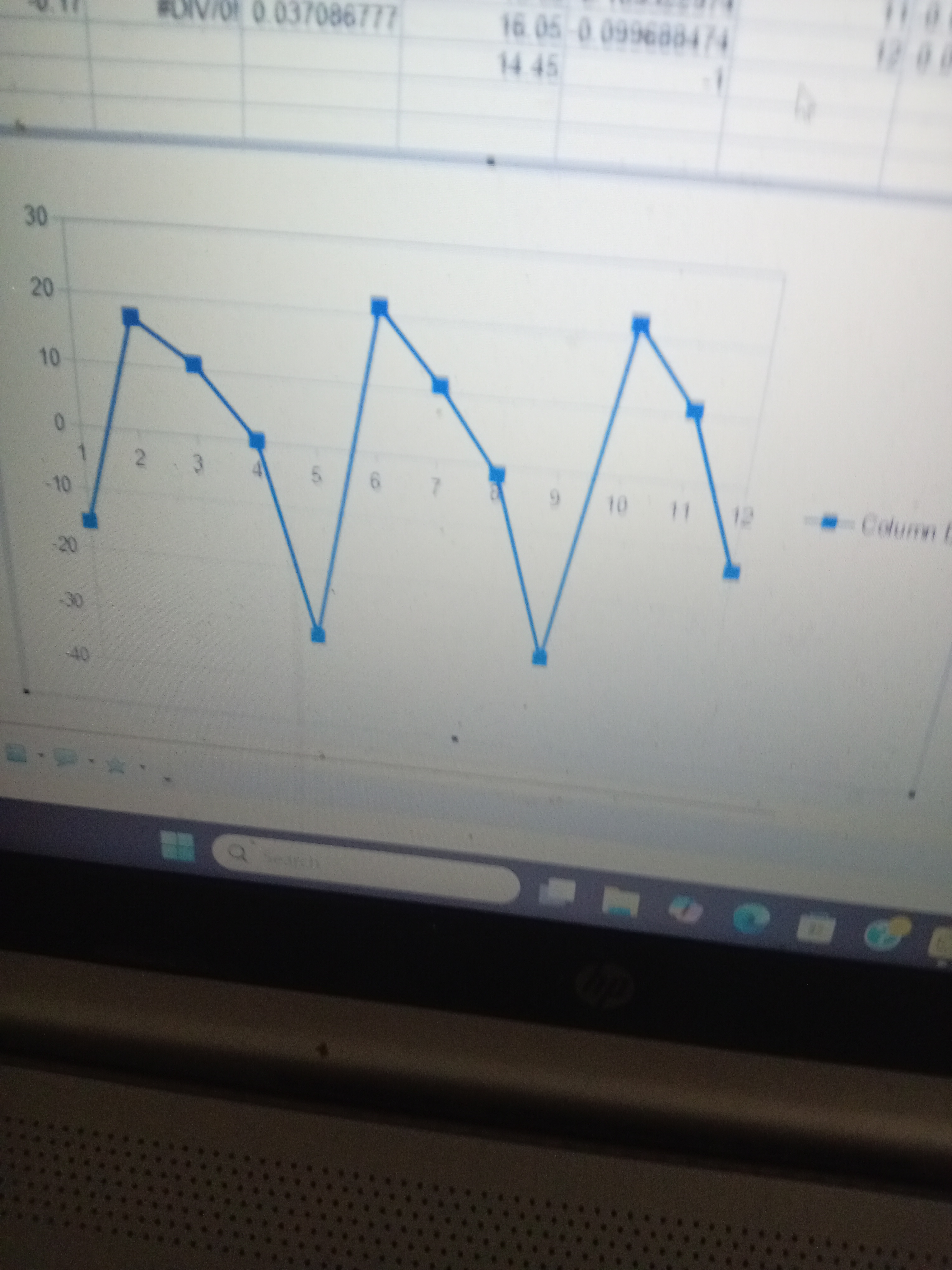
What I have observed in the gezie growth data is that even though the growth rate is increasing, it is fluctuating at increasing speed which suggests an unstable economy. Whether the picture is going to change remains to be seen. The last time an acceleration occurred was 2023. It is hopeful that the economy continues to grow but the drawback is deflation as a graph shows we are already in the deflationary region. I can only hope that the bank pays attention to deflation. We don’t want to go the way of Japan?
This is the growth rate from period to period since 2023. It is fluctuating increasingly. It has to do with fiscal prudence. Budget deficit was above 5% of gdp in 2023. From a website it now stands around 7.5% of gdp. Borrowing is above 50% of gdp.
The economy is growing but growing in decrements from 2023
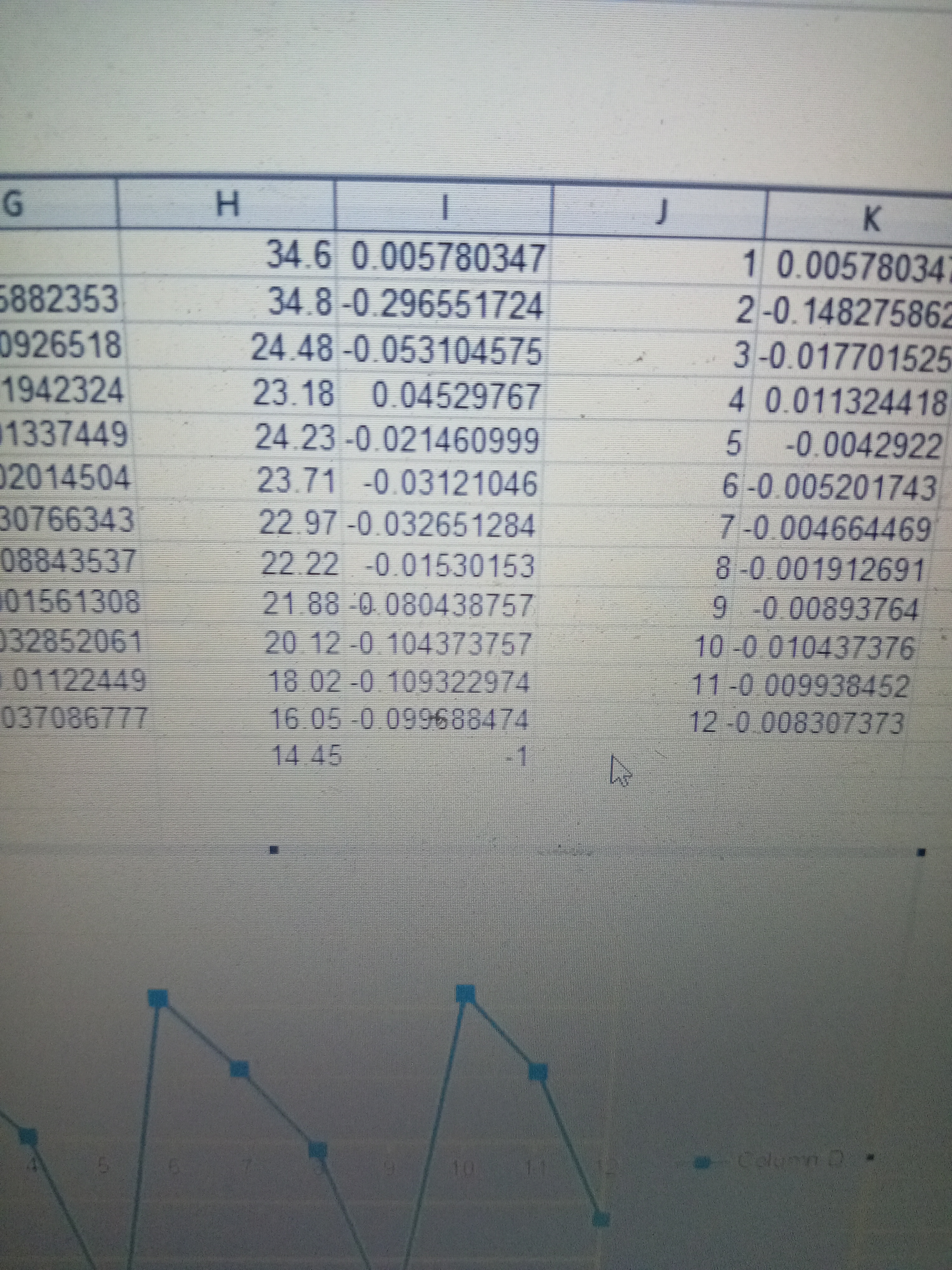
Inflation is declining but the latter period shows a decelerating decline.
28th / 01 / 20226
My feelings are mixed. I am happy that inspite of the caustic and denigrating campaign to bring me to “disrepute” the economy has turned out as I predicted. Higher inflation and unemployment remains high. On the other hand it is my sincere hope that the supply side problems abate. The picture before the tax drop(business rates) is that wages are dropping. As unemployment remains the same I would want to believe demand for workers was cooling off and the supply of workers was increasing. This may be the result of businesses’ decisions. With inflation supply doesn’t improve.
government spending / growth rate data
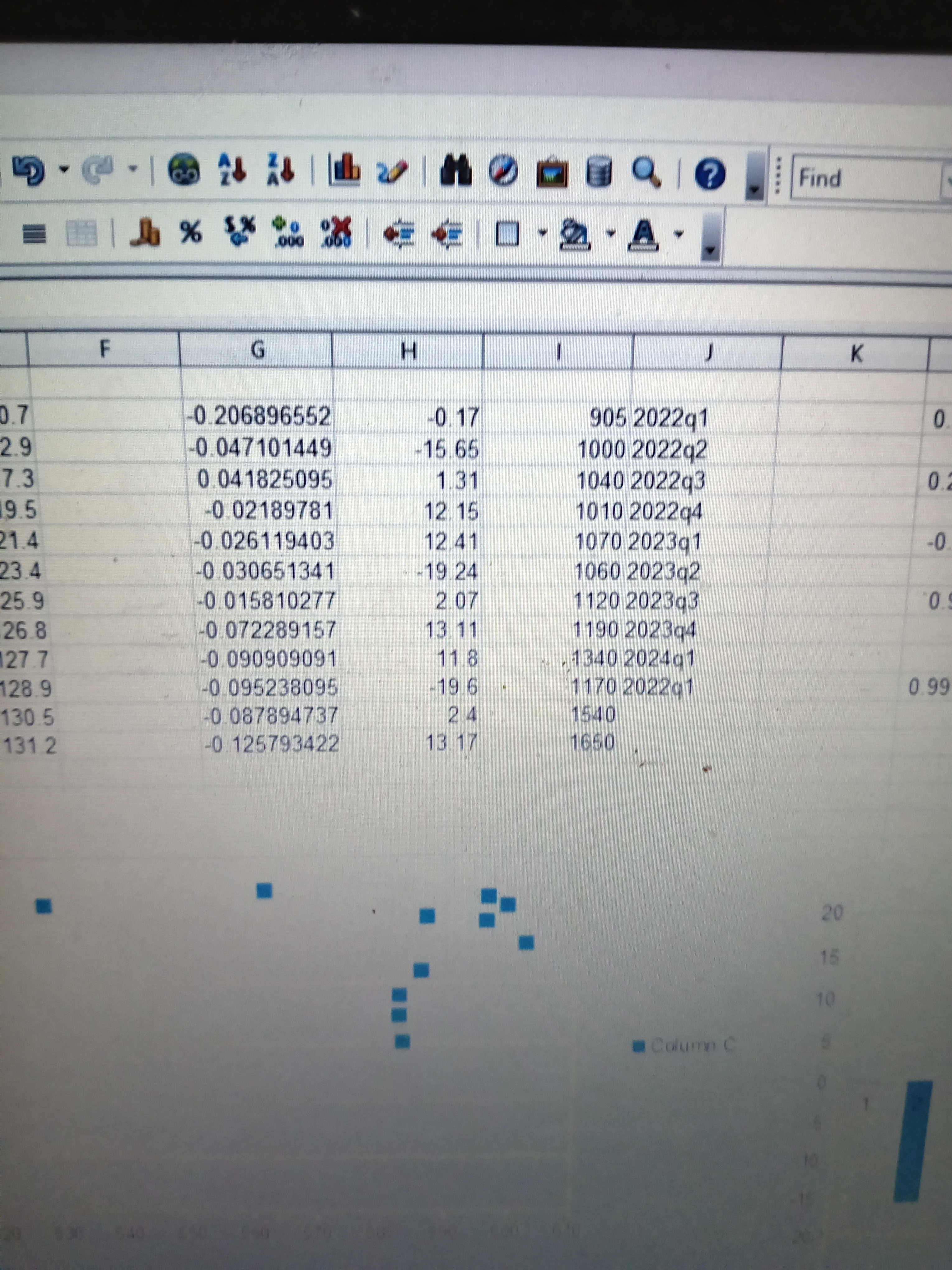
These are the segregated datasets and more revealing correlation figures. It shows growth is a government spending activity. If you look at the data you will find that the months are replicas of the previous periods. The whole economy cannot be group-thinking.
This is the competitiveness data. It was growing and is still high but it is coming down because of deflation
This is the ” inflation ” graph. It shows spontaneous activity at first but a more organic activity subsequently. My readings are growth cannot be a .999 government spending correlation affair. If growth is a demand side affair why is inflation dropping but if growth is a supply side issue why is deflation occurring. Deflation could be occurring because monetary policy is cooling off demand. So from mathematical figures the government is spending and cooling things off with Monetary policy. I don’t think that is sustainable.
This is the last graph. It shows the real interest rate picture. The initial months were when real interest rates were negative. This deflation corresponds to when real interest rates were and are positive and it is a fact that without negative real interest rates you can’t provide monetary stimulus to the economy
In the distant past while the gotechs was taking shape we saw government elements in the midst of the gotechs circle. Then an NNDC spokesperson came on TV and claimed the government invested in the gotechs. Then subsequently the gotechs came on TV and said they did not receive a kobo from the government. Let us agree that the government could not find anybody culpable of crime. The question is what business does the government have hiring from gotechs. As a gezie k, it is demoralising. I calculated some industry wide variables using accounting ratios well known and it confirms suspicion that we have always had that the problem of Nigeria is between the poor and the rich. Take sales revenue to employee. For SMEs it is around $5000 and for large businesses it is around $1.8 billion. If resources don’t spread where is growth coming from? Borrowing is increasing in leaps and bounds but the great bulk of the borrowings are portfolio investments. The interest coverage ratios tell that gezie businesses are too geared. Considering the industry wide scope most of these businesses are prone to insolvency. This is corroborated by the sales revenue to capital employed ratio and operating margins for the industry. The figures suggest that there is a productivity problem. For every cara invested there is less than one unit of sales generated. You could not argue that it is a microeconomic problem because it is the same story across the industries. From a macroeconomic perspective if there a capital productivity problem you work on inflation, interest rates and taxes. All three equals supply side problems. I couldn’t possibly be lying to you now.